Philippines

Overview
The Philippines operates an excise marking system centred on secure, serialised tax stamps for tobacco and, more recently, vape products, administered by the Bureau of Internal Revenue (BIR).
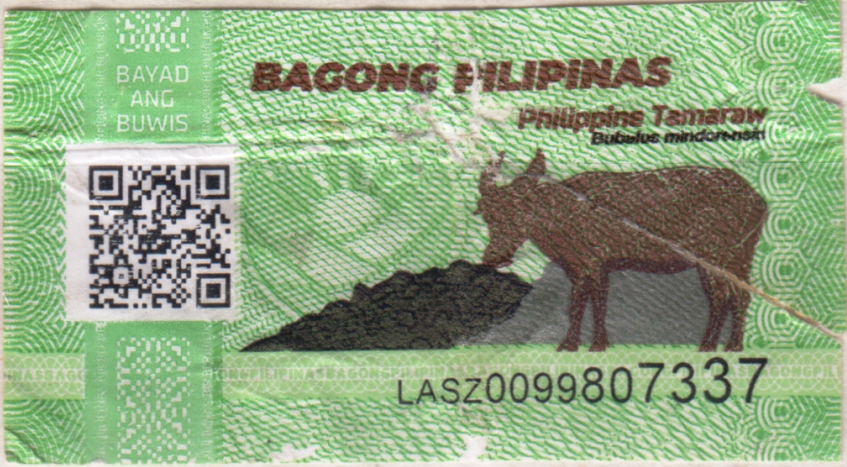
Tax stamps on cigarettes were introduced in 2014 through the Internal Revenue Stamps Integrated System (IRSIS), marking the country’s transition to a more controlled and technology-enabled excise regime. These self-adhesive stamps are applied at pack level and incorporate both overt security features and unique identifiers encoded in a 2D barcode, enabling authentication, tax verification, and supply chain monitoring.
In June 2024, the BIR extended the IRSIS framework to cover vape …
The Philippines operates an excise marking system centred on secure, serialised tax stamps for tobacco and, more recently, vape products, administered by the Bureau of Internal Revenue (BIR).
Tax stamps on cigarettes were introduced in 2014 through the Internal Revenue Stamps Integrated System (IRSIS), marking the country’s transition to a more controlled and technology-enabled excise regime. These self-adhesive stamps are applied at pack level and incorporate both overt security features and unique identifiers encoded in a 2D barcode, enabling authentication, tax verification, and supply chain monitoring.
In June 2024, the BIR extended the IRSIS framework to cover vape products, including e-liquids and disposable devices. This expansion reflects a policy shift toward bringing next-generation nicotine products within the same fiscal control architecture as traditional tobacco, with early indications pointing to significant gains in declared volumes and tax revenues following implementation.
Unlike many jurisdictions, the Philippines has not implemented tax stamps on alcohol, despite longstanding plans to do so.
Alongside stamp-based controls, the Philippines operates a separate fuel marking programme based on chemical tracers added to petroleum products. While also administered by the BIR, this system functions as a covert, bulk-level tax verification mechanism rather than a physical labelling scheme, illustrating a dual approach to excise control across different product categories.
Tax Stamp Volume Analysis
Volume Period: 2019 - 2024
| Estimated Stamp Volume | ||||
|---|---|---|---|---|
| Product Type | 2019 | 2024 | CAGR | Volume in |
| Beer | 5,236M | 4,851M | -1.52% | Millions |
| Cider and perry | 262K | 217K | -3.72% | Thousands |
| Cigarettes | 3,399M | 2,073M | -9.42% | Millions |
| Ready to drink | 4,876K | 4,661K | -0.90% | Thousands |
| Spirits | 1,006,076K | 1,098,480K | +1.77% | Thousands |
| Wine | 32M | 40M | +4.34% | Millions |
| Total with Prog | 3,399M | 2,073M | -9.42% | Millions |
| Total no Prog | 6,280M | 5,994M | -0.93% | Millions |
| Total All | 9,679M | 8,067M | -3.58% | Millions |
Detailed Yearly Data
2024 (6 products)
| Product Type | Total Volume | Legal Volume | Illicit Volume | Estimated Stamps | Pack/Bottle Size |
|---|---|---|---|---|---|
| Beer | 2,425M | - | - | 4,851M | 0.500L |
| Cider and perry | 163K | - | - | 217K | 0.750L |
| Cigarettes | 52,372M | 41,461M | 10,911M | 2,073M | 20 sticks/pack |
| Ready to drink | 2,331K | - | - | 4,661K | 0.500L |
| Spirits | 823,860K | - | - | 1,098,480K | 0.750L |
| Wine | 30M | - | - | 40M | 0.750L |
2019 (6 products)
| Product Type | Total Volume | Legal Volume | Illicit Volume | Estimated Stamps | Pack/Bottle Size |
|---|---|---|---|---|---|
| Beer | 2,618M | - | - | 5,236M | 0.500L |
| Cider and perry | 197K | - | - | 262K | 0.750L |
| Cigarettes | 75,917M | 67,987M | 7,930M | 3,399M | 20 sticks/pack |
| Ready to drink | 2,438K | - | - | 4,876K | 0.500L |
| Spirits | 754,557K | - | - | 1,006,076K | 0.750L |
| Wine | 24M | - | - | 32M | 0.750L |
Tax Stamp Programmes
Cigarettes
Stamp Specification
Stamp Images (Cigarettes) - Click on an image to enlarge.